Why Your Child Is Squinting at School
Apr 03, 2026
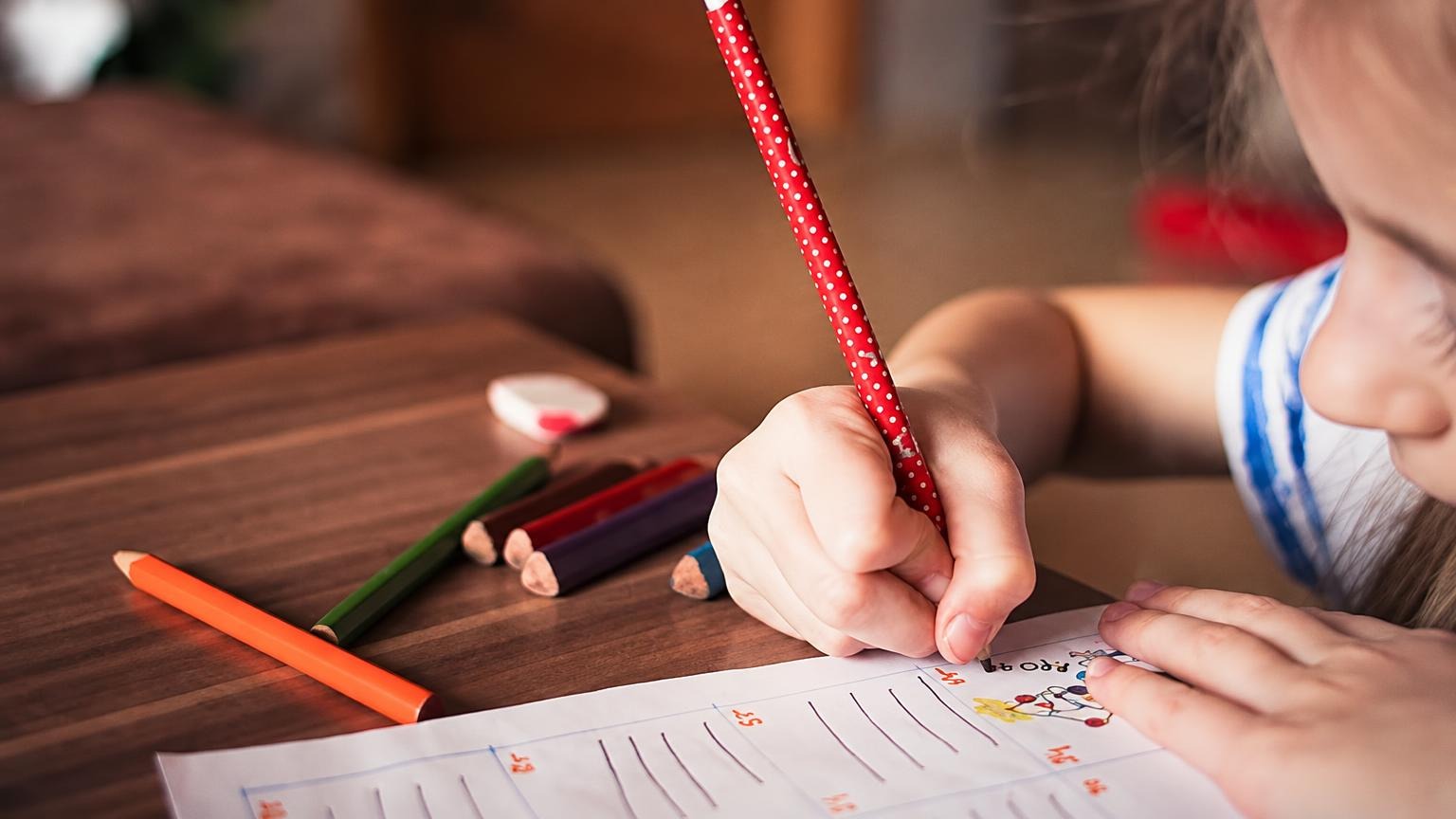
A classroom serves as a window to a child's future, but that window often looks blurry for students with myopia. You might notice your child sitting closer to the television or tilting their head to see the whiteboard. These small habits usually signal a bigger struggle with nearsightedness. Squinting acts as a natural reflex to sharpen a fuzzy world, yet it frequently leads to tired eyes and headaches that pull a student's focus away from their lessons.
At Martin Street Optometry, we see how clear vision changes a student's confidence. When the world stays in focus, learning becomes a joy rather than a chore. Managing this condition early helps protect their sight for years to come.
The Hidden Impact of Myopia on Learning
Vision accounts for a massive portion of how children process information. If a student cannot see the text across the room, they might miss vital instructions or feel disconnected from their peers. Myopia does more than blur the distance; it creates a barrier between a child and their environment.
Unchecked nearsightedness often worsens during growth spurts. The eye grows too long, causing light to land in front of the retina instead of directly on it. While standard glasses help them see, they do little to stop the eye from continuing to change shape. This is why specialized intervention matters. We recommend regular Children’s Eye Exams to catch these changes before they impact school performance.
Signs of Vision Strain in the Classroom
- Frequent rubbing of the eyes during homework
- Holding books or tablets very close to the face
- Complaints of blurry vision after a long school day
- Avoiding sports or activities that require distance vision
How Stellest Lenses Change the View
Modern science offers better paths than simple correction. Stellest lenses provide a dual-action solution for children in Milton. These lenses use Highly Aspherical Lenslet Target (HALT) technology. While the central zone provides the crisp vision your child needs for daily tasks, the surrounding lenslets create a signal that tells the eye to stop growing too long.
This specialized design slows down the progression of myopia significantly. It acts as a shield for their future eye health, reducing the risk of high myopia and the complications that come with it later in life. Choosing these lenses means giving your child a tool that works as hard as they do in the classroom.
Comfort and Clarity for Active Kids

Children need eyewear that keeps up with their pace. Stellest lenses fit into stylish Designer Frames that look like regular glasses. Your child gains the benefit of advanced medical technology without feeling different from their friends. Whether they are reading a book or playing on the playground, their vision remains stable and sharp.
Your Partner in Pediatric Eye Care
Every child deserves a clear view of their potential. Our Eye Doctors understand the specific needs of young patients in Milton. We perform comprehensive exams that look beyond a simple prescription to ensure the health of the entire eye.
By starting myopia management now, you help stabilize your child’s vision. This proactive approach means fewer prescription changes and a lower chance of developing serious eye conditions in adulthood. We invite you to Schedule An Appointment and explore how we can support your child's visual journey. Our team can also assist with questions regarding Insurance to make the process as smooth as possible for your family.
Frequently Asked Questions
What is the best age to start Stellest lenses?
- Most optometrists recommend these lenses for children between the ages of 6 and 16 whose myopia is still progressing. Early intervention provides the best results in slowing down eye growth. Starting while the eye is still developing allows the technology to have the greatest impact.
How do Stellest lenses differ from regular glasses?
- Standard Eyewear only corrects vision so a child can see clearly in the moment. Stellest lenses use tiny lenslets to create a specific type of light signal that discourages the eye from lengthening. This treats the underlying cause of worsening vision rather than just the symptoms.
Will my child need time to adjust to these lenses?
- Most students adapt to the new design within a few days. The transition feels very similar to getting a new pair of traditional glasses. The central part of the lens provides clear, immediate sight for all their school activities.
How often should a child with myopia have an exam?
- Regular check-ups every six months are ideal for children undergoing myopia management. These visits allow our team to track the rate of change and ensure the lenses are performing effectively. Consistent monitoring remains key to long-term success.